核爆瞬间的低频冲击:低音炮如何定义震撼
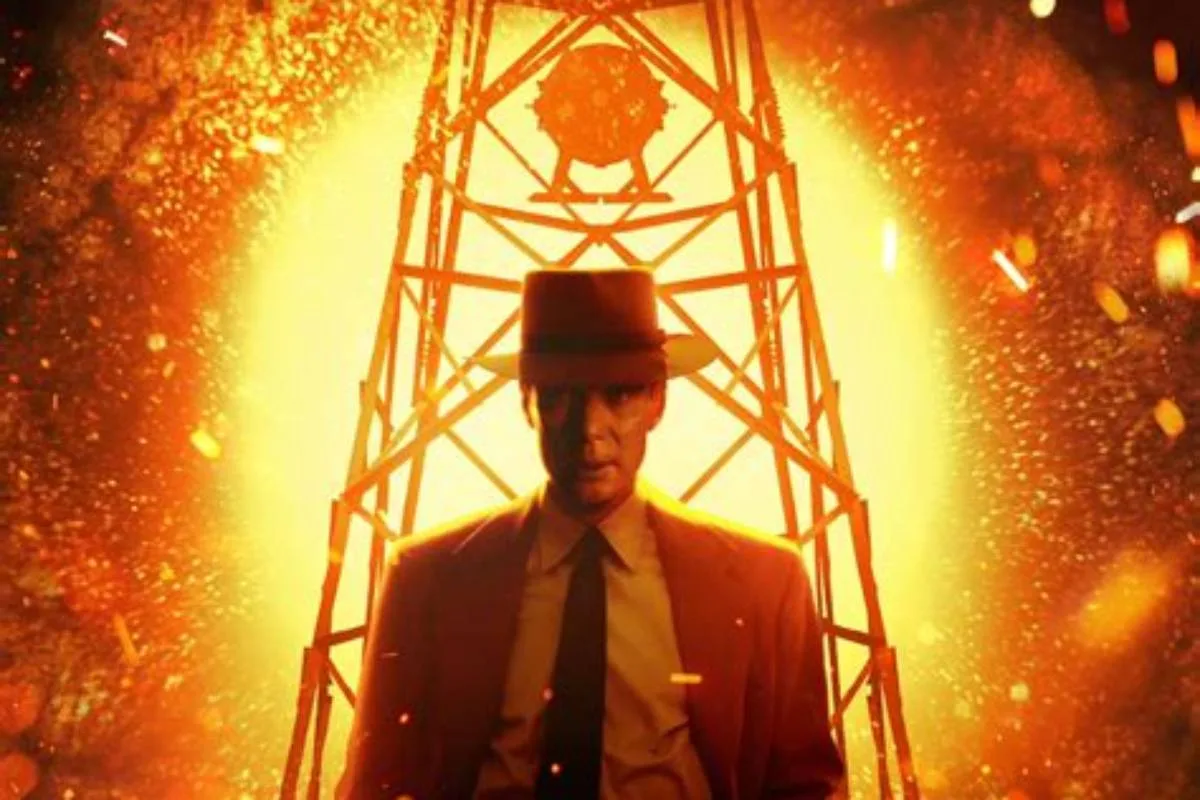
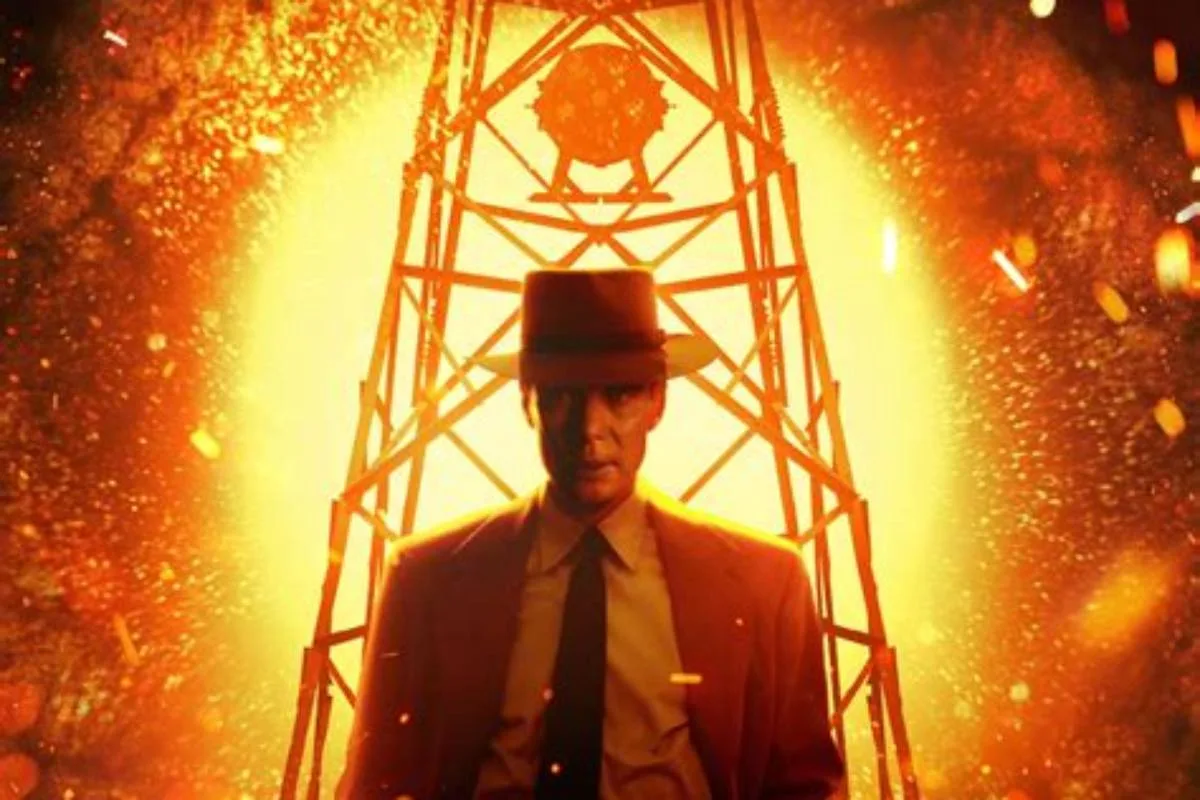
When the Trinity test detonates in Christopher Nolan's 'Oppenheimer', the audience doesn't just see the blast—they feel it. The rumble that shakes your seat, the pressure that presses against your chest, and the silence that follows are all meticulously crafted through low-frequency sound design. A subwoofer is the only component capable of reproducing these sub-20Hz frequencies that create physical sensation, transforming a visual spectacle into a visceral experience.
In the film, the initial flash is accompanied by a deep, sustained bass note that builds tension before the shockwave hits. This is not merely a sound effect; it's a narrative tool. The low-frequency rumble mirrors the moral weight of the creation, making the audience complicit in the awe and terror. Without a capable subwoofer, this scene loses its impact, becoming just another explosion rather than a pivotal moment in cinematic history.
频响范围与功率:低音炮的核心参数解析
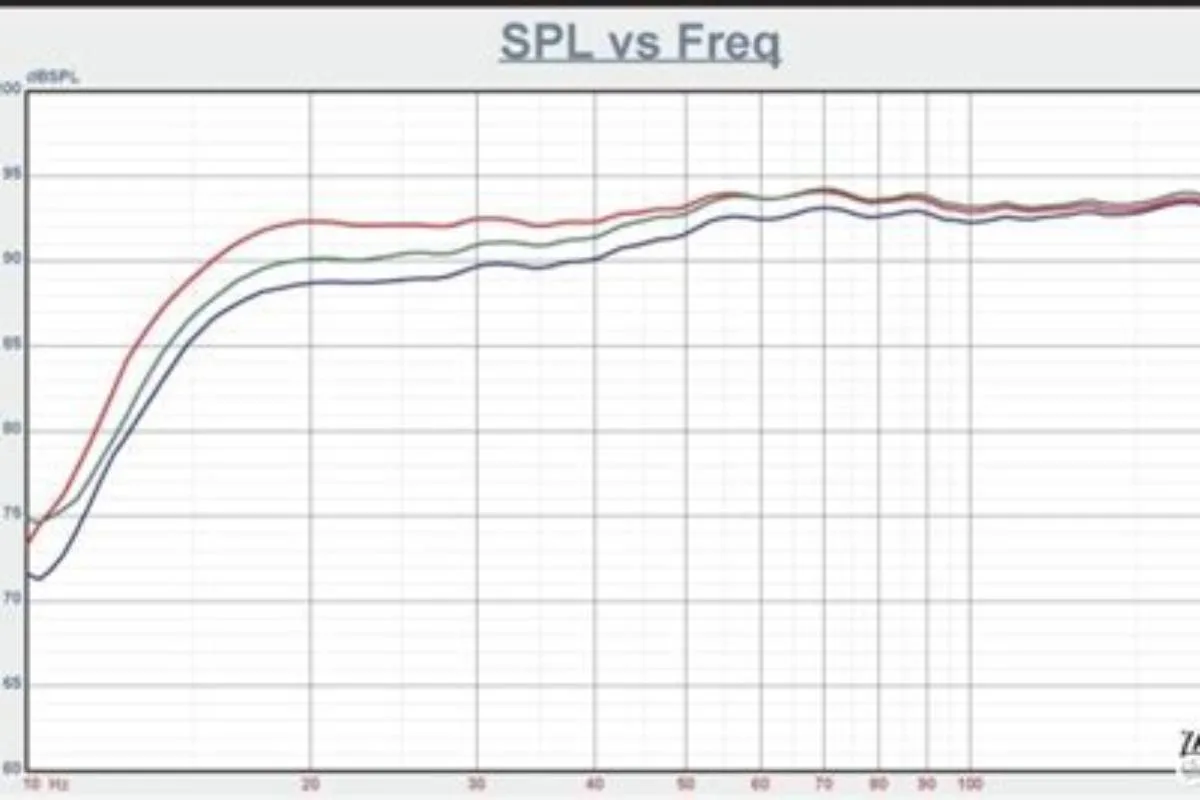
To replicate the Trinity test's low-end, a subwoofer must cover frequencies from 20Hz to 200Hz, with the most critical range being 20-40Hz for that sub-bass pressure. In 'Oppenheimer', the score by Ludwig Göransson uses deep drones that dip to 25Hz, requiring a subwoofer with a flat response down to at least 20Hz to render the full texture. Many budget subs roll off at 30Hz, missing the fundamental frequencies that create the 'chest-thump' effect.
Power handling is equally crucial. A subwoofer's amplifier output, measured in watts RMS, determines its headroom. For a 20-square-meter living room, a 300-watt subwoofer is sufficient, but for larger spaces or to recreate the intense dynamics of the Trinity test, 500-1000 watts is recommended. The goal is to have enough power to reproduce sudden, high-impact bass without distortion, ensuring that the shockwave hits hard and clean, not muddy or boomy.
摆放位置:让低频均匀分布的关键技巧
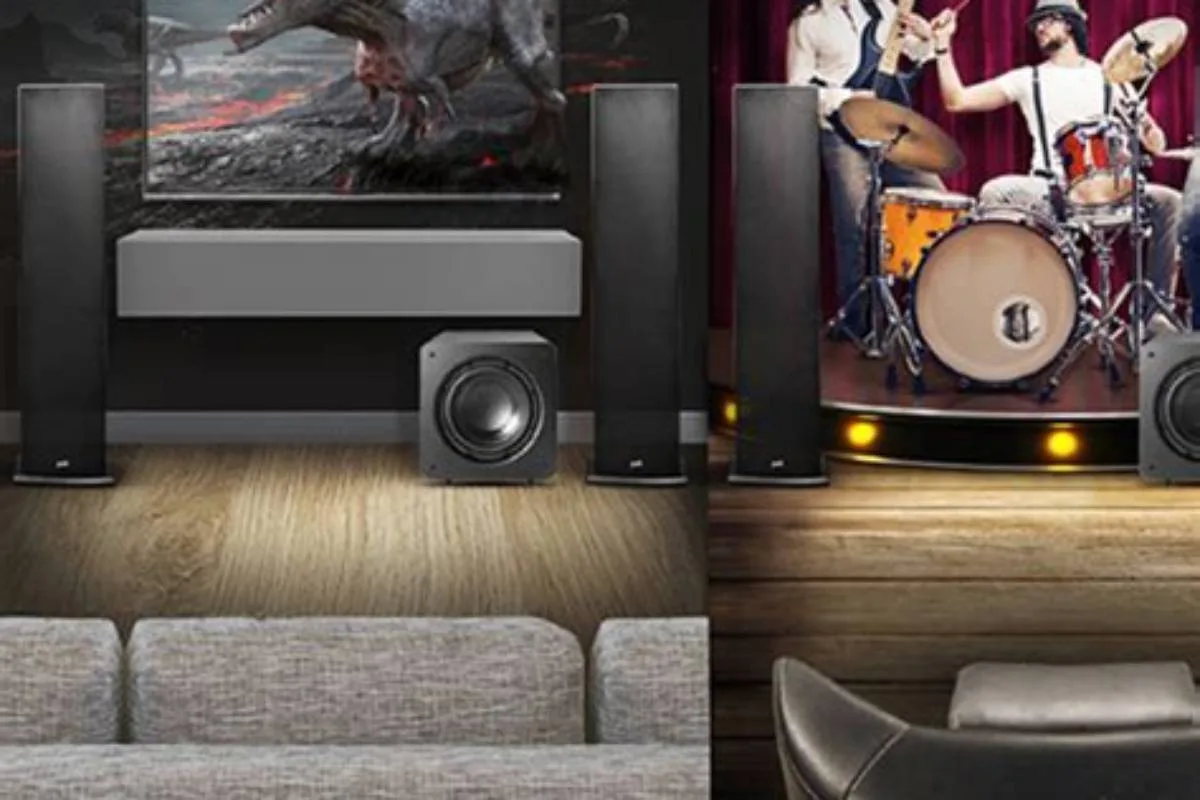
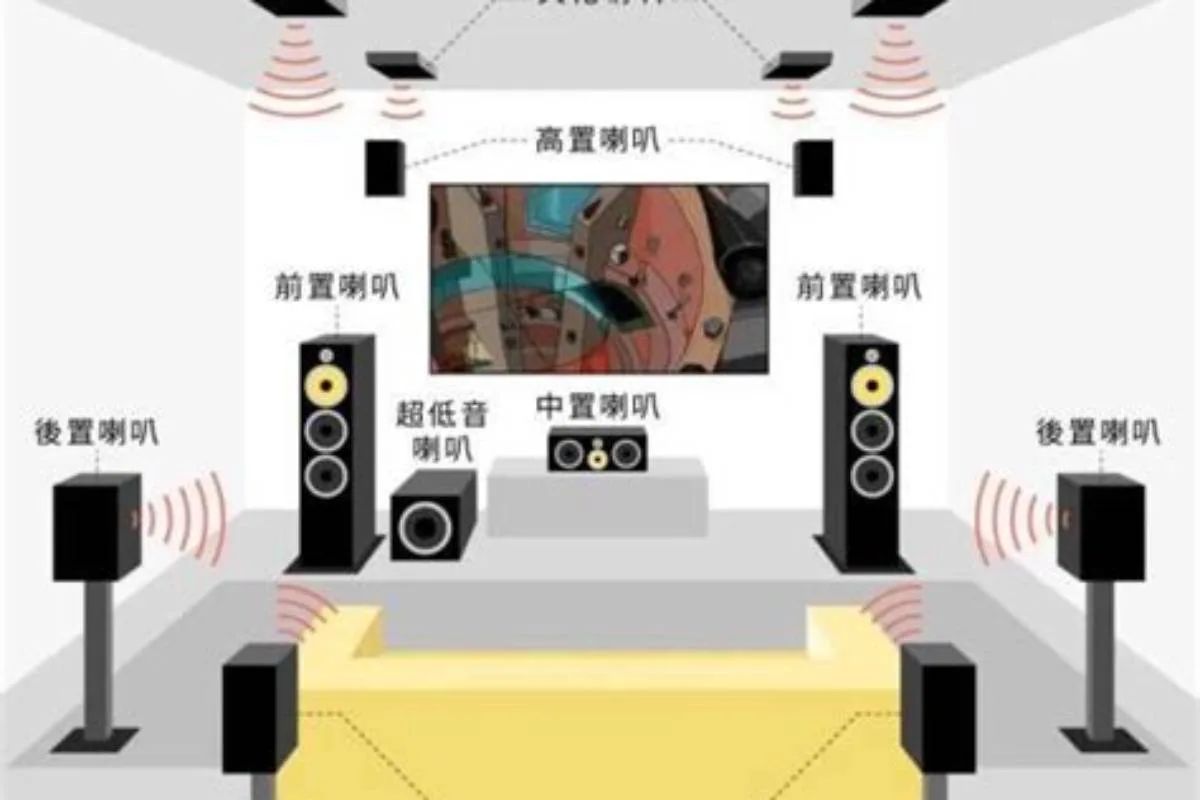
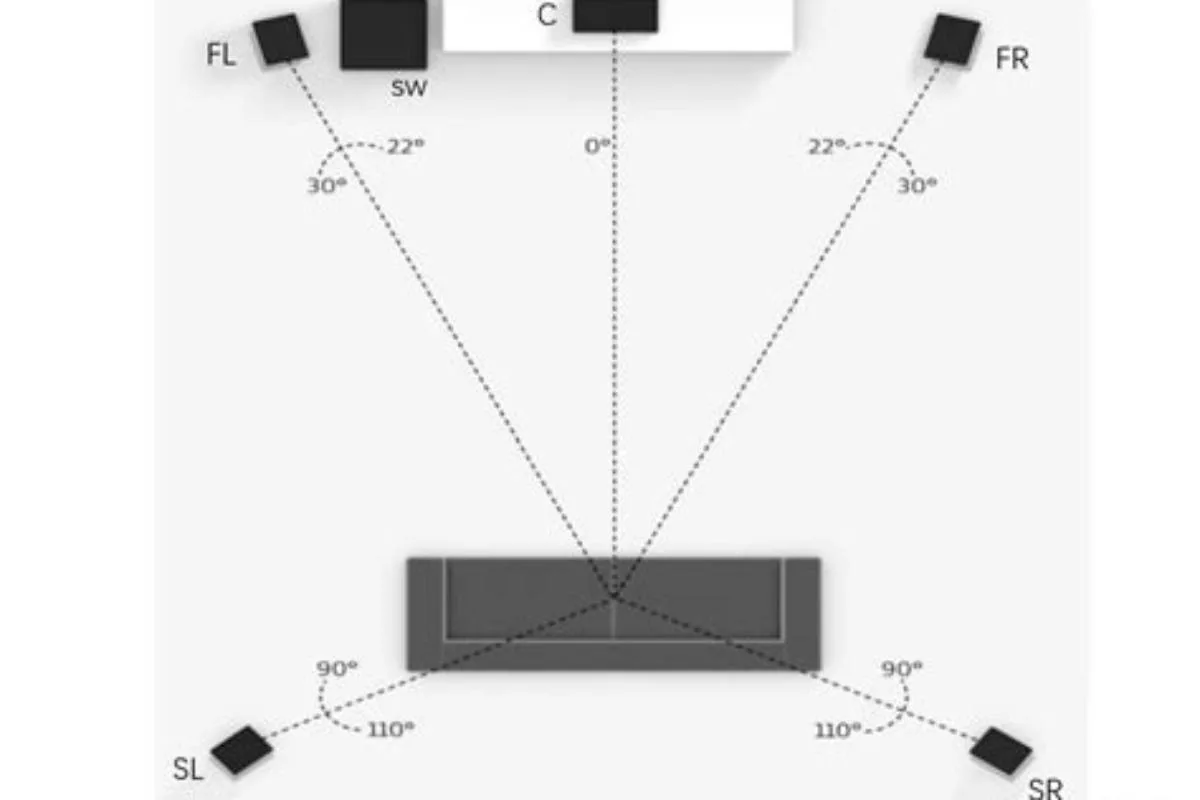
Placement is the most overlooked factor in subwoofer performance. In 'Oppenheimer', the low-frequency effects are designed to be omnidirectional, but room modes can create peaks and nulls, making bass uneven across seating positions. The classic corner placement boosts output but often causes boomy, one-note bass. Instead, the 'crawl test' is recommended: place the sub at your listening position, play a test tone, and crawl around the room to find where the bass sounds most even—that's where the sub should go.
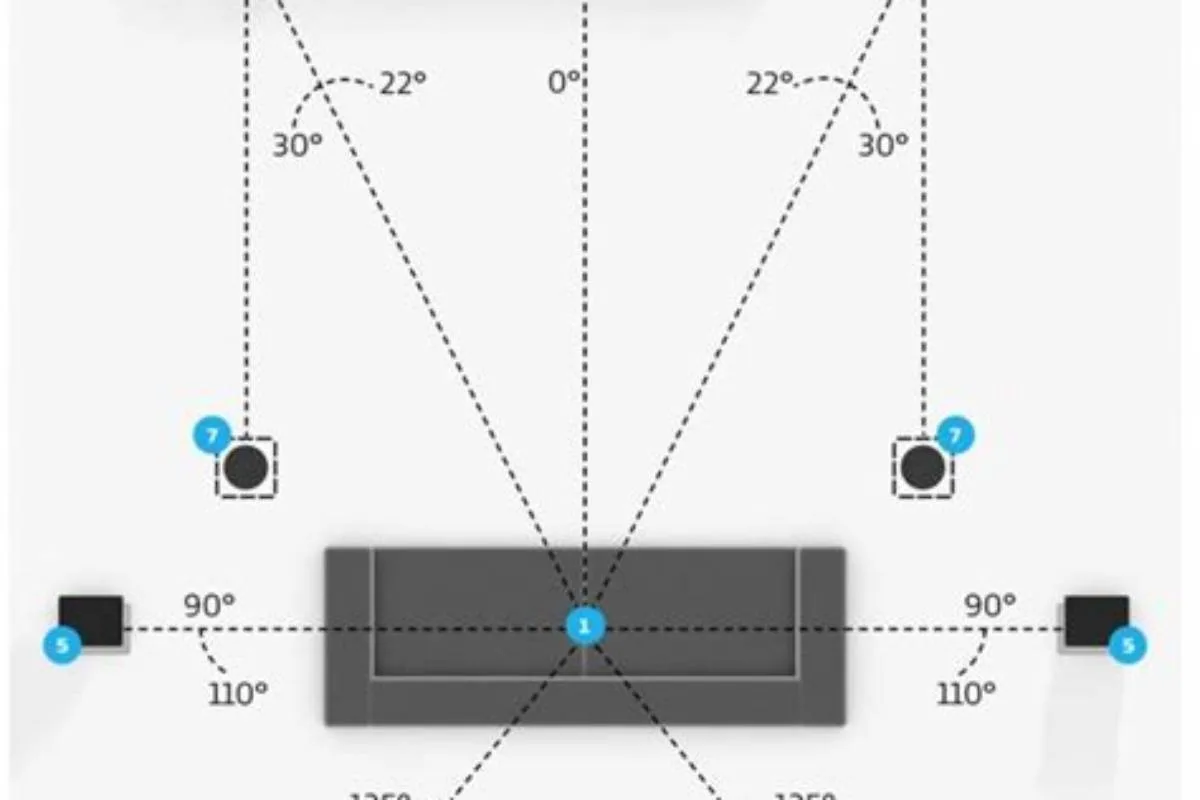
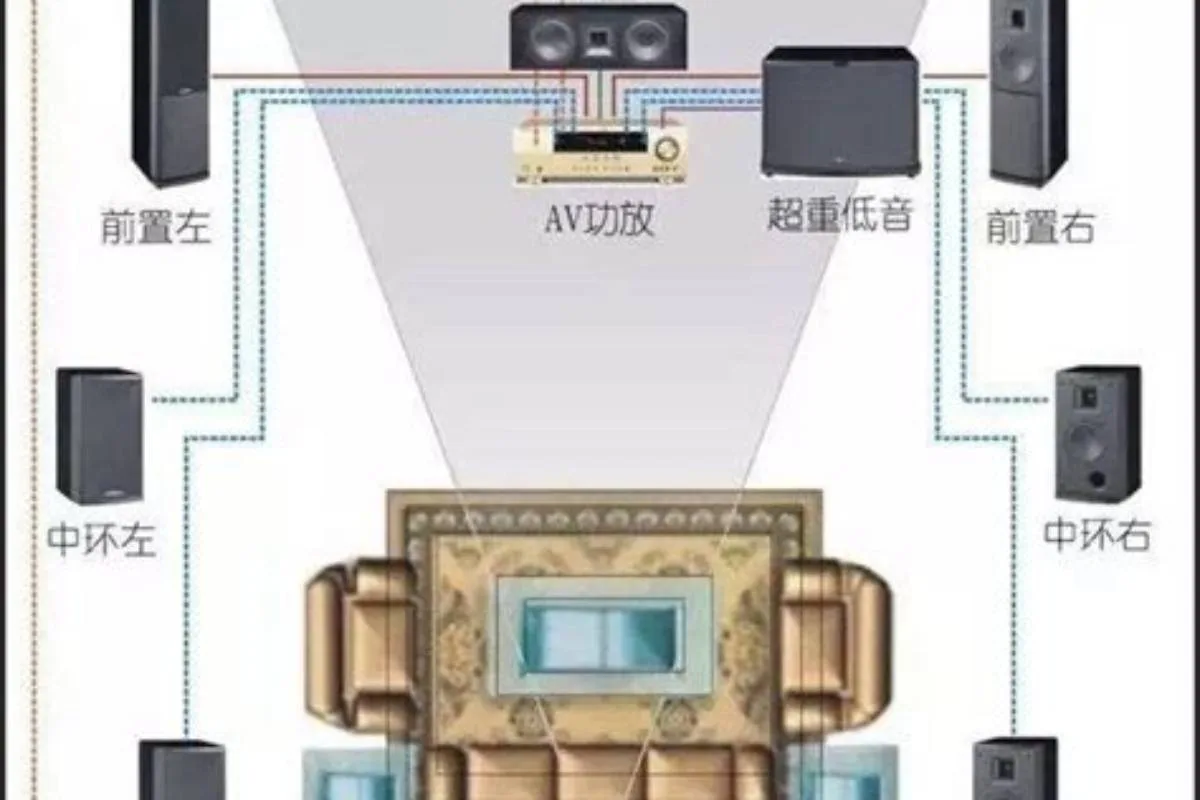
For a home theater, placing the subwoofer along the front wall, about a third of the way from the side wall, often yields balanced response. In a 5.1 setup, the sub can be placed near the front left or right speaker, but avoid exact symmetry to prevent standing waves. In 'Oppenheimer', the dialogue-heavy scenes benefit from a sub that integrates seamlessly, not drawing attention to itself but adding weight to the room tone and the ominous hum of the bomb's construction.
推荐型号:为《奥本海默》而生的低音炮
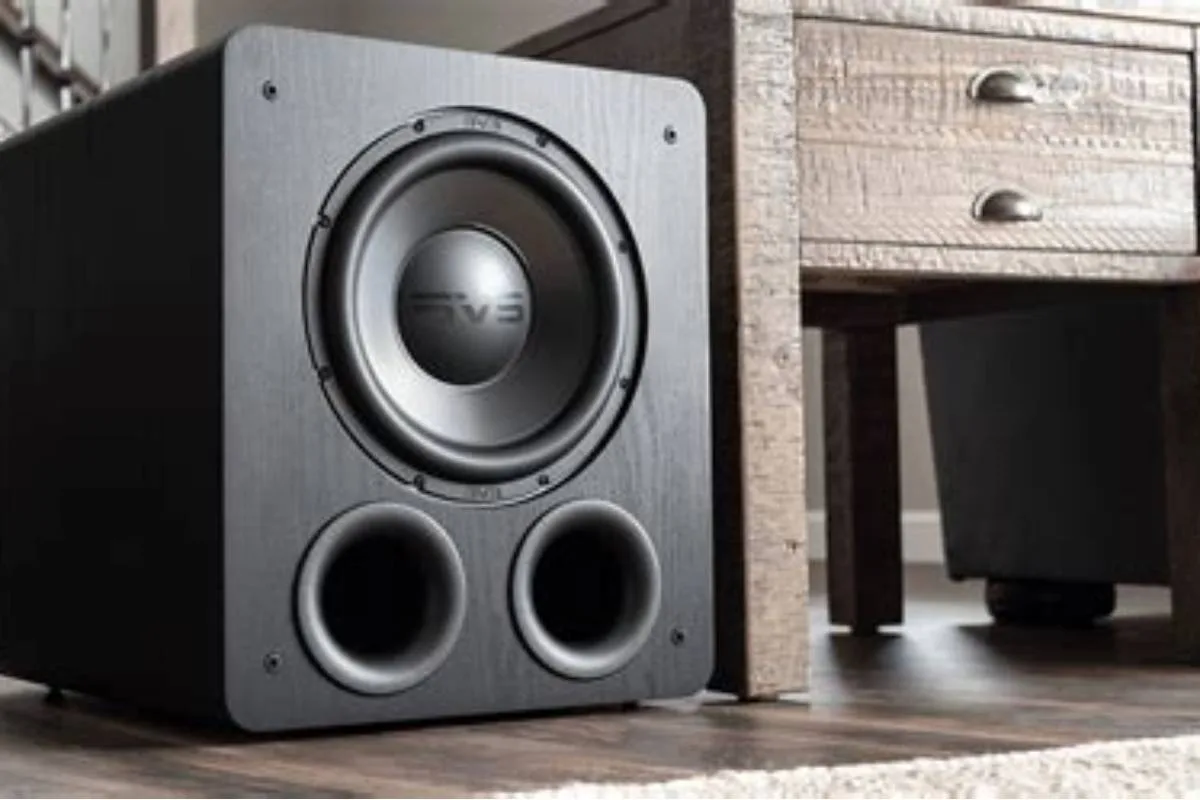
To fully appreciate the Trinity test, a high-quality subwoofer is non-negotiable. The SVS PB-2000 Pro is a standout choice, with a 12-inch driver and 550 watts RMS, reaching down to 16Hz. Its app-based EQ allows fine-tuning to match your room, ensuring the 25Hz drones in the score are rendered with precision. For a more budget-friendly option, the Monoprice SW-12 offers a 12-inch driver with 400 watts RMS, delivering solid performance down to 25Hz, ideal for smaller rooms.
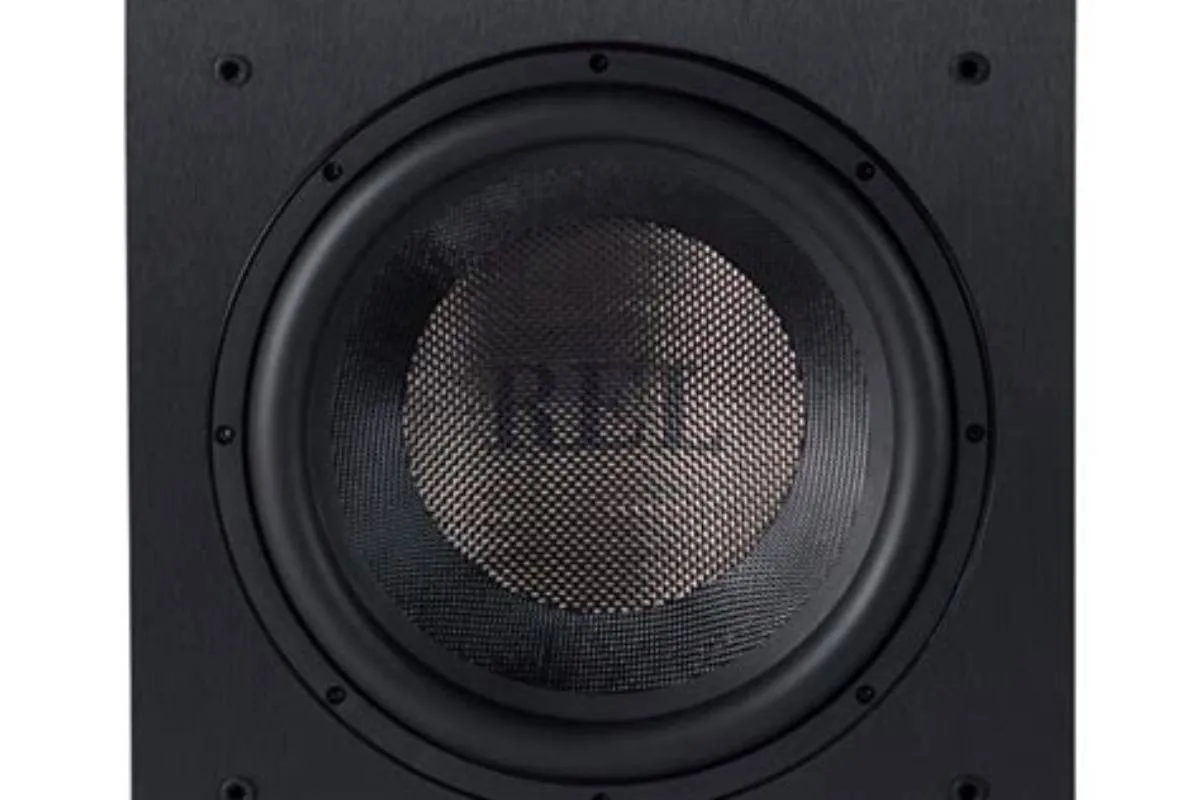
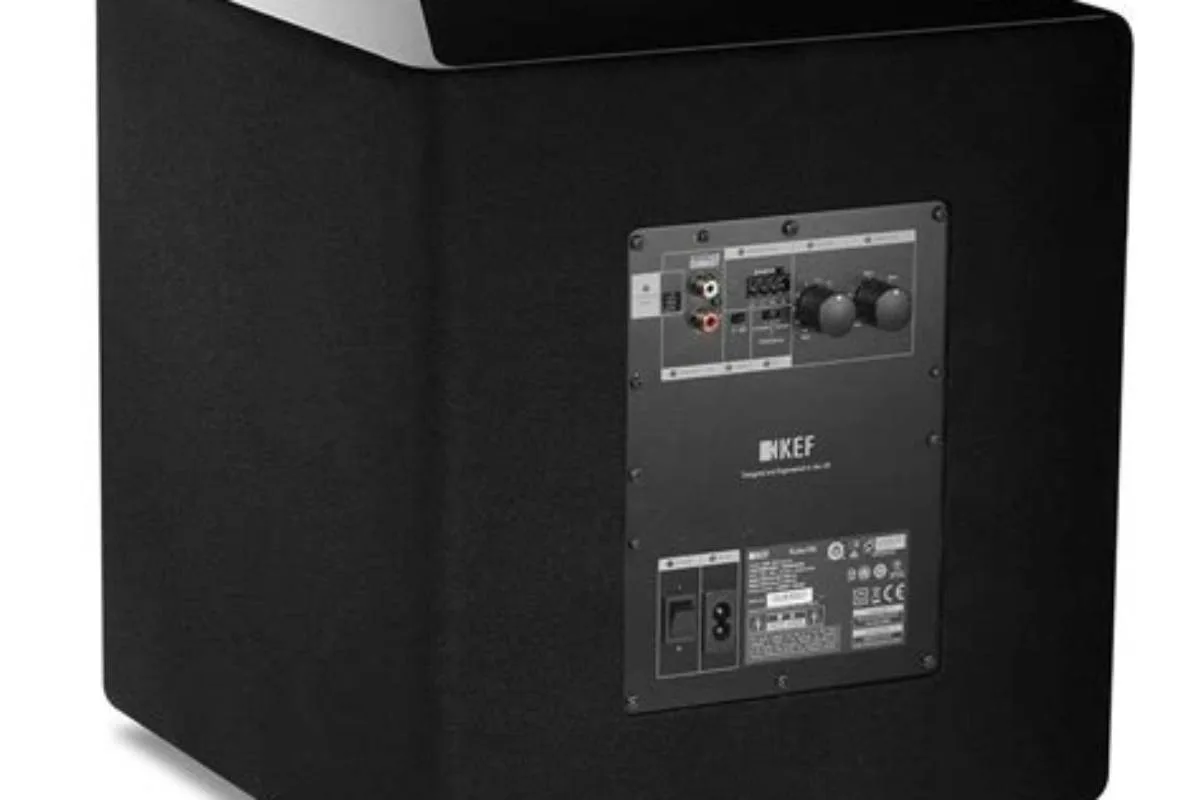
Another excellent pick is the REL HT/1205, known for its musicality and tight bass, which suits the film's dramatic shifts from quiet introspection to explosive action. Its 12-inch driver and 300-watt amplifier provide articulate low-end without overwhelming the midrange. For those seeking a compact solution, the KEF Kube 10b offers a 10-inch driver with 300 watts, reaching 28Hz, perfect for apartments where space is limited but impact is still desired.
结语:低音炮是电影灵魂的传递者
Watching 'Oppenheimer' without a subwoofer is like reading a poem without rhythm—the meaning is there, but the emotion is lost. The film's sound design relies on low-frequency to convey the moral and physical weight of the atomic bomb, and a good subwoofer bridges the gap between screen and viewer, making history feel immediate. Whether you choose a 500-watt powerhouse or a compact 10-inch model, the key is to prioritize frequency response and placement to achieve that chest-pounding, room-shaking experience that defines modern cinema.
Investing in a subwoofer is not just about upgrading your system; it's about unlocking the full potential of films like 'Oppenheimer'. The next time you watch the Trinity test, you'll not only see the light but feel the heat, the pressure, and the profound silence that follows—a testament to the power of low-frequency sound in storytelling.